Layered lighting is the 2026 trend everyone's talking about — so why do most interiors still get it wrong?
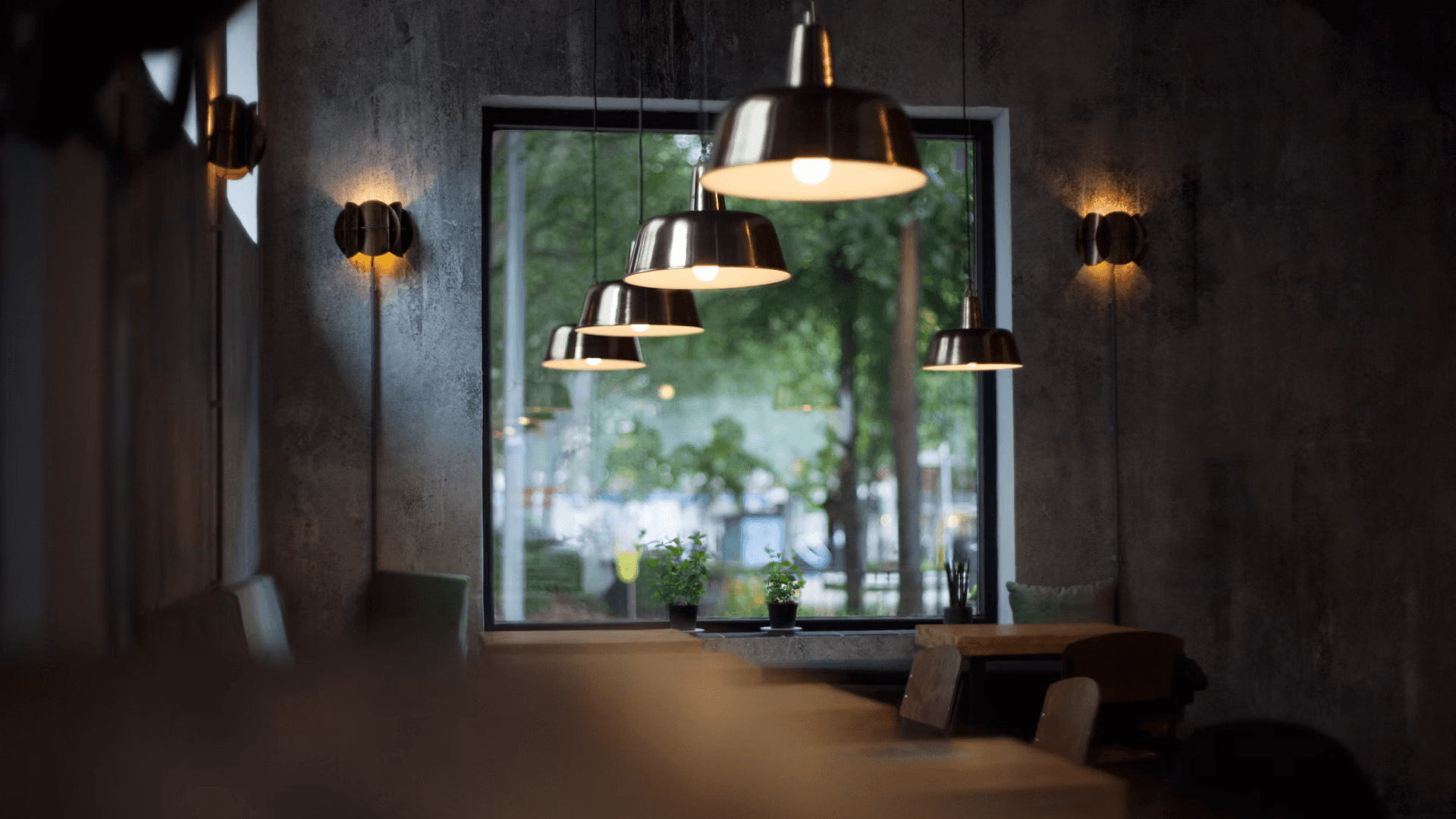
After fifteen years designing lighting for renovation and interior-focused projects, I’ve witnessed layered lighting evolve from a professional best practice to one of the biggest trends of 2026. Everyone is talking about it, and for good reason; When done well, proper layering creates depth, mood, flexibility, and a much richer atmosphere than single-source solutions.
Yet here’s what I see repeatedly: most interior schemes that claim to use layered lighting still fall surprisingly flat once the space is built.
The real added value isn’t simply knowing the concept of layering. It’s understanding why it so often fails in practice, and what specific judgment calls actually make the difference between a scheme that looks layered on paper and one that truly feels intentional and alive.
What layered lighting actually means in real projects
True layered lighting combines three distinct roles that must work together:
Ambient layer — the soft, comfortable overall illumination that makes a room feel inviting
Task layer — focused, functional light for reading, cooking, working, or other activities
Accent layer — directional light that reveals texture, materials, and focal points
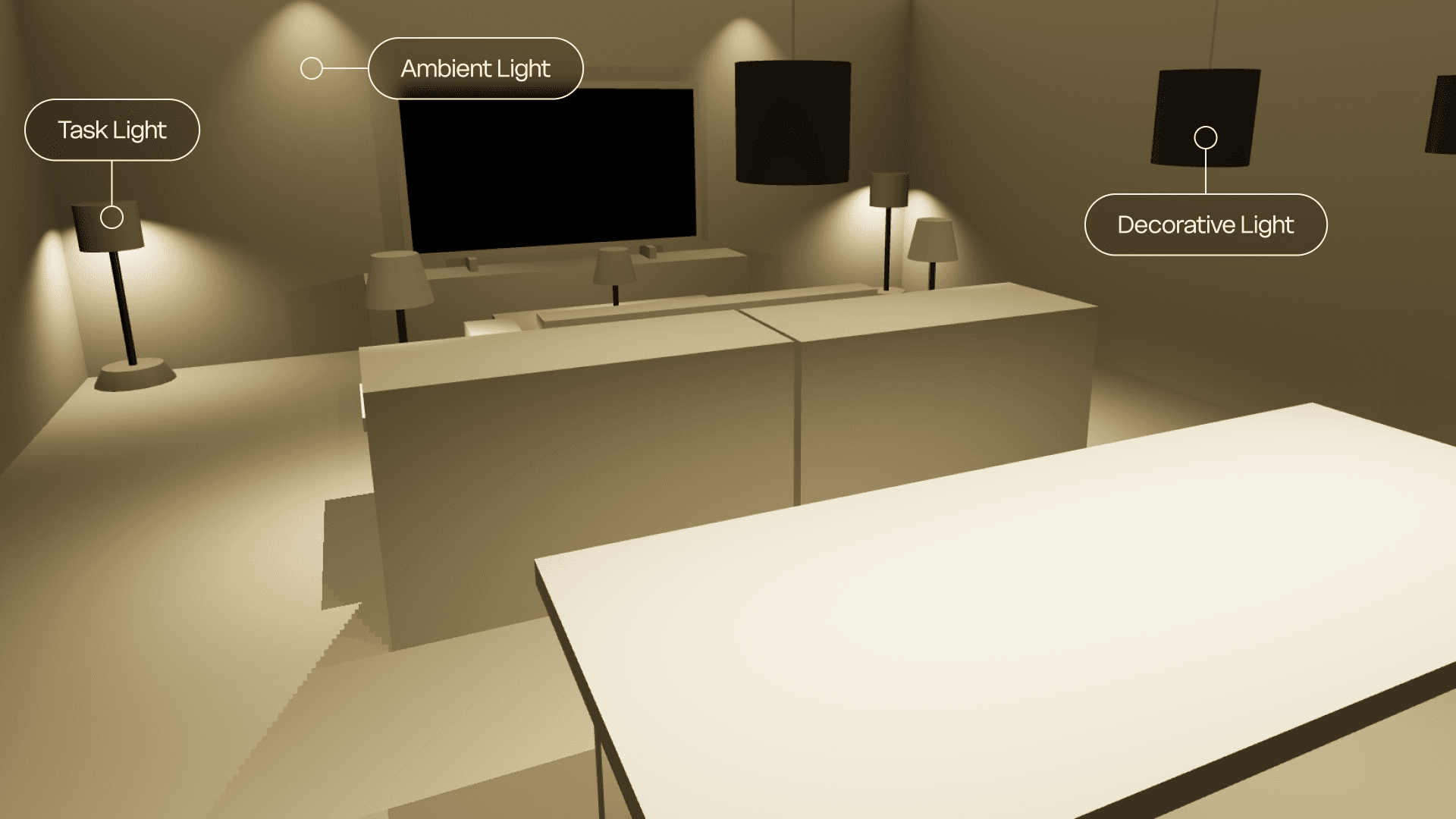
3D Plan generated with Chubic
When these three layers are thoughtfully balanced, the space feels more dynamic and responsive to how people actually use it.
When these layers aren’t balanced, you often end up with busy or distracting ceilings, uneven brightness, conflicting shadows, or a general sense that something is missing, even though the lighting is, from a technical standpoint, ‘acceptable’.
Why most layered schemes in 2026 will still disappoint
Even with all the current attention on the trend, here are the most common mistakes I continue to see in interior projects:
Over-reliance on recessed downlights as the primary ambient layer
This creates flat, toplight-heavy spaces. The fix? Adding a few pendants or wall lights afterward rarely fixes the lack of depth.
2. Inconsistent color temperatures between layers
Mixing warm decorative fixtures (2700K) with cooler recessed lights (3500K–4000K) is extremely common. The eye picks up the conflict immediately, making the whole scheme feel unresolved. To avoid this, pick one color temperature before you pick a single fixture, then hold every layer to it without exception.
3. Treating layering as decoration rather than core structure
Many designers add lamps and sconces at the end instead of letting layering influence ceiling design, bulkheads, and furniture layout from the Concept phase.
4. Poor placement and coordination
Accent lights that miss their intended surface by a small margin, task lights that cast harsh shadows on faces, or pendants hung at the wrong height.
5. Focusing on quantity of fixtures instead of quality and balance
More fixtures often leads to over-lit yet emotionally flat spaces. The best schemes frequently use fewer, better-placed lights.
The intentions behind these mistakes are usually good — but good intentions applied without a structural plan still produce one-dimensional rooms.
Putting it into practice: Simple principles that make layering work
The real difference comes from a few practical principles I’ve learned over many projects:
Begin layering decisions early: ideally in the Concept phase while you can still shape the architecture.
Always start with the desired atmosphere and real activities, then design the layers to support them (never the other way around).
Keep color temperatures consistent and tightly grouped, usually within 2700K–3000K for most interior work.
Think in three dimensions early. Consider how light hits walls and materials at eye level, not just on the reflected ceiling plan.
Prioritize removing conflicting or unnecessary light before adding more fixtures. Depending on the room context, less can be more.
This approach isn’t about making lighting more complicated. It’s about making it more coherent, so it enhances, rather than competes with, the rest of your design.
Layered lighting isn’t a revolutionary new idea, but when executed with proper judgment and planning, it remains one of the highest-leverage tools we designers have for creating memorable, intentional interiors in 2026 and beyond.
If you’re working on interior projects this year and want your lighting to feel as resolved as the rest of your scheme, focusing on these judgment calls can make a significant difference.
—
Jimmy Chu is a lighting designer with 15 years of experience leading AECOLIGHT, an award-winning lighting design agency. He is the founder of CHUBIC, which helps architects and interior designers make confident lighting decisions that better match their original design intent.
