Chubic Manifesto

Lighting should never be an afterthought
I’ve been designing lighting for fifteen years. The hardest moments in my career aren't the complex briefs or the tight budgets. They're the projects where I get called in too late.
I remember one in particular. A residential renovation in a 1970s apartment, completely gutted and rebuilt. The architect had done beautiful work: layered materials, considered proportions, furniture that felt right the moment you walked in. But the lighting had already been decided. Fixtures selected, positions locked, budget spent. I was there to advise, but there was nothing left to advise on.
When we turned everything on for the first time, the room felt… flat. The warmth the architect had designed for was gone. The materials didn't show their depth anymore. The client walked in, looked around, and said politely, "It's nice." Everyone in the room knew it could have been so much more.
That moment stayed with me. Not because it was unusual, but because it wasn't.
I've seen it happen too many times since. Beautiful spaces, carefully considered, well proportioned, thoughtfully furnished, that somehow still don't feel quite right once they're built. And almost always, the weakest link is the lighting.
This is what I’ve come to believe:
Lighting is not decoration. It is architecture.
It's not something you add at the end to make a room brighter. It's one of the most powerful tools we have to shape how a space actually feels. Yet in so many projects, especially renovations and interior work, lighting is still treated as an afterthought.
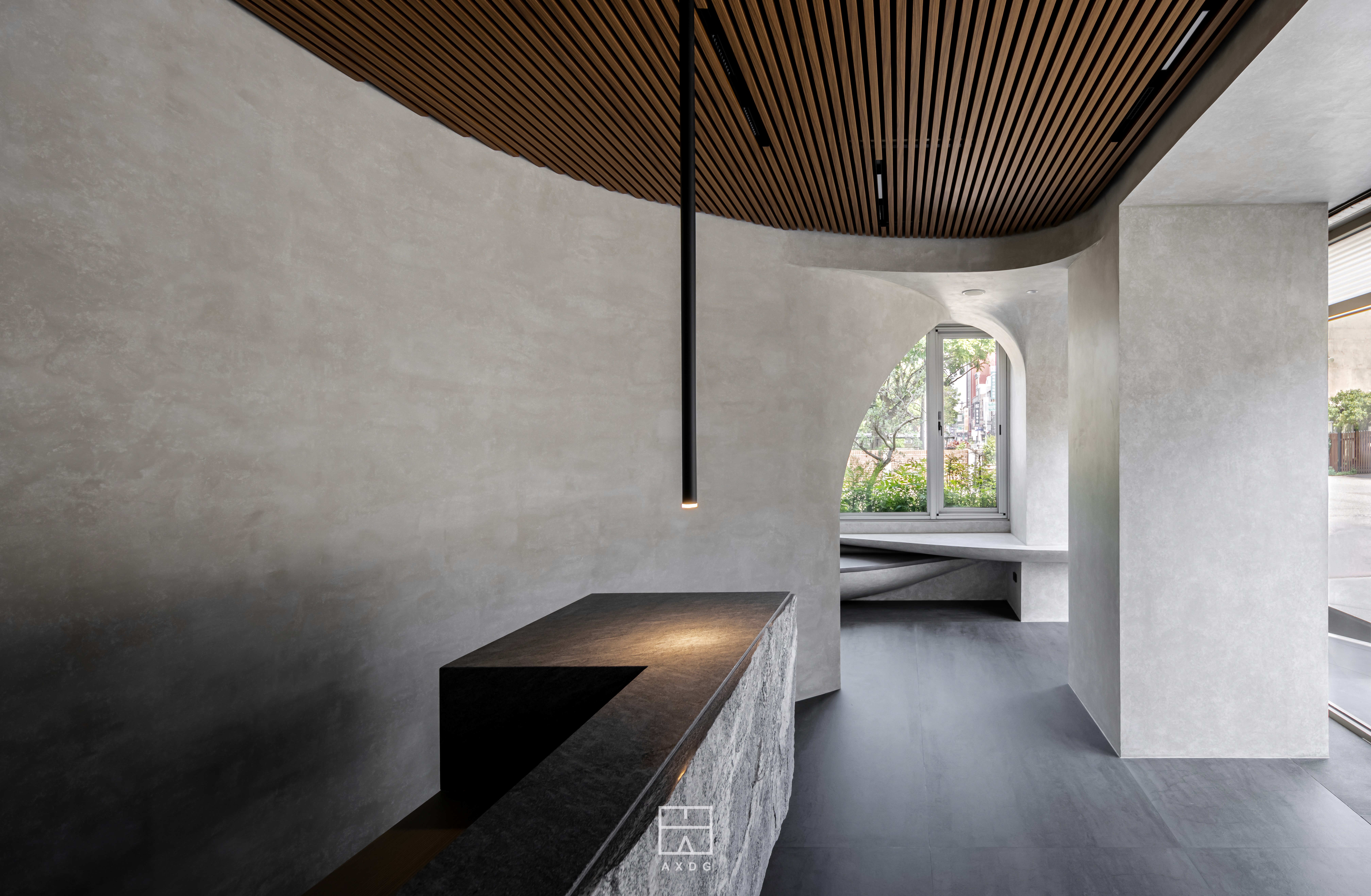
We spend months choosing the right oak flooring, the perfect fabric, the ideal sofa. Then we give lighting a couple of days and hope it all works out.
That approach almost never delivers the atmosphere the client imagined. I’ve watched too many strong concepts get diluted, too many clients feel quietly disappointed, and too many talented architects and interior designers carry the quiet frustration of knowing the space could have been better.
There’s a strange gap in our industry.
Architects know lighting matters. It's built into the way they think about space. But when the real decisions have to be made, something shifts. The lighting gets handed off, or compressed into the last two weeks, or treated as a procurement problem rather than a design problem.
And by the time anyone notices, it's too late. The ceiling is closed. The conduit is fixed. The fixtures are on order.
The light becomes harsher. The fixture becomes generic. The spacing follows habit instead of intent.
A surprising amount of great design is lost not in the concept stage, but in the long chain of small decisions that happen between intention and execution.
I've thought about this for a long time. And I'll be honest: for years I didn't have a good answer to it. I could show up and help when I was called in early enough. But most of the time, I wasn't.
That's why I built Chubic.
Chubic is built to translate the atmosphere you can feel in your head into clear, buildable lighting decisions. You describe the feeling you want and how the space will be used, and it generates a thoughtful lighting plan, with proper layering, placement, and specifications, that stays faithful to your original intent.
It's not here to replace your design judgment. It's here to support it. So the gap between what you imagined and what gets built gets a little smaller every time.
The standard we should hold ourselves to
I don't think this is an unsolvable problem. I think it's a workflow problem, and workflow problems can be fixed.
The best tools don't just help us work faster. They help designers do more and control more of the creation process, translating intent into reality while keeping creative control exactly where it belongs: with the designer.
I want architects and interior designers to finish their projects thinking: "This feels exactly like what I imagined. Maybe even better."
That's what I'm building toward. We're not there yet. But every project that uses Chubic gets us a little closer.
If this resonates with you, I'd love for you to try it on your next project.
Cheers,
Jimmy Chu Founder of Chubic
