Why lighting in renders rarely matches the finished space
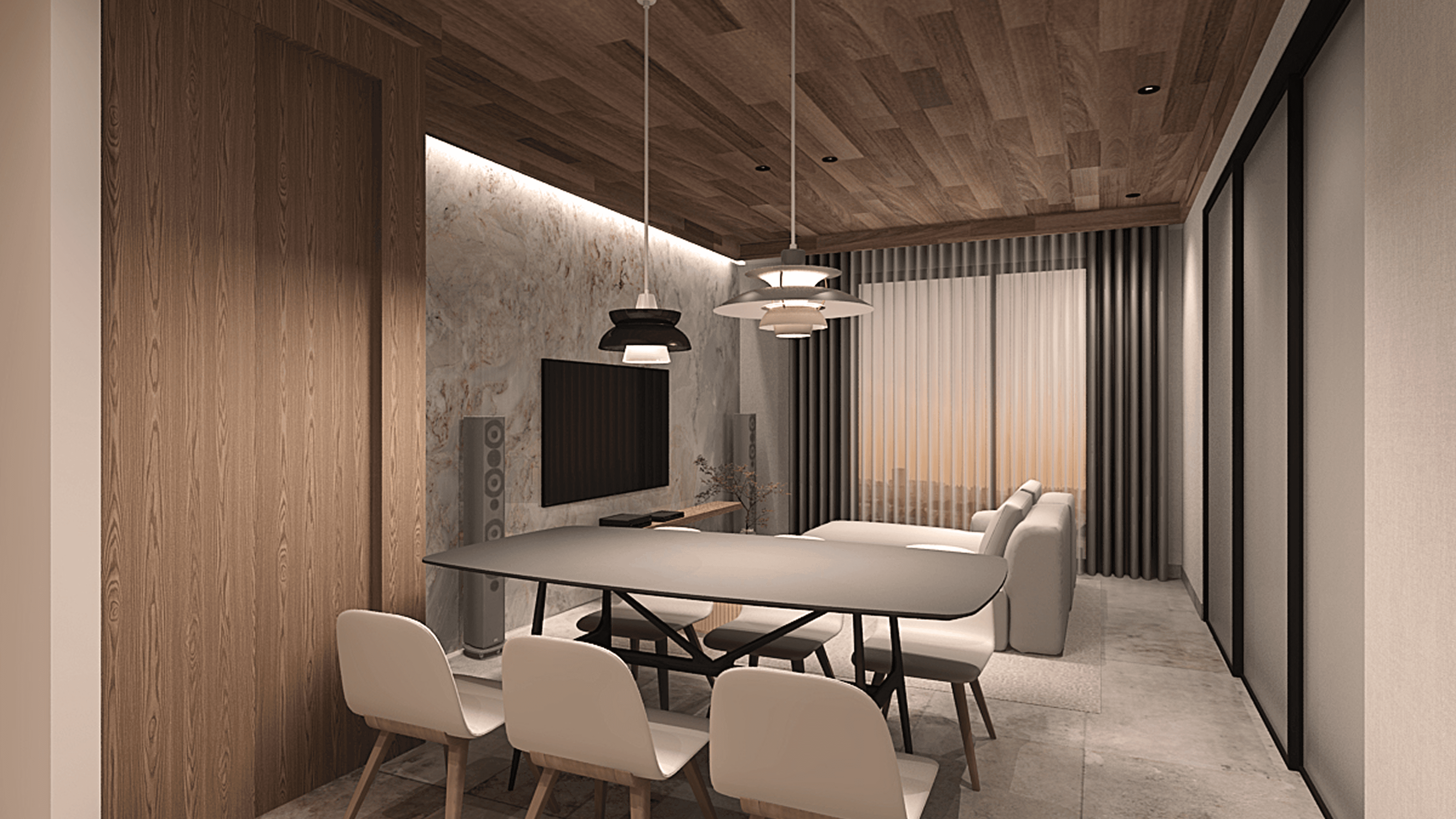
Over my 15 years of working with lighting, the worst renders I see are not the ones that flatter a space.
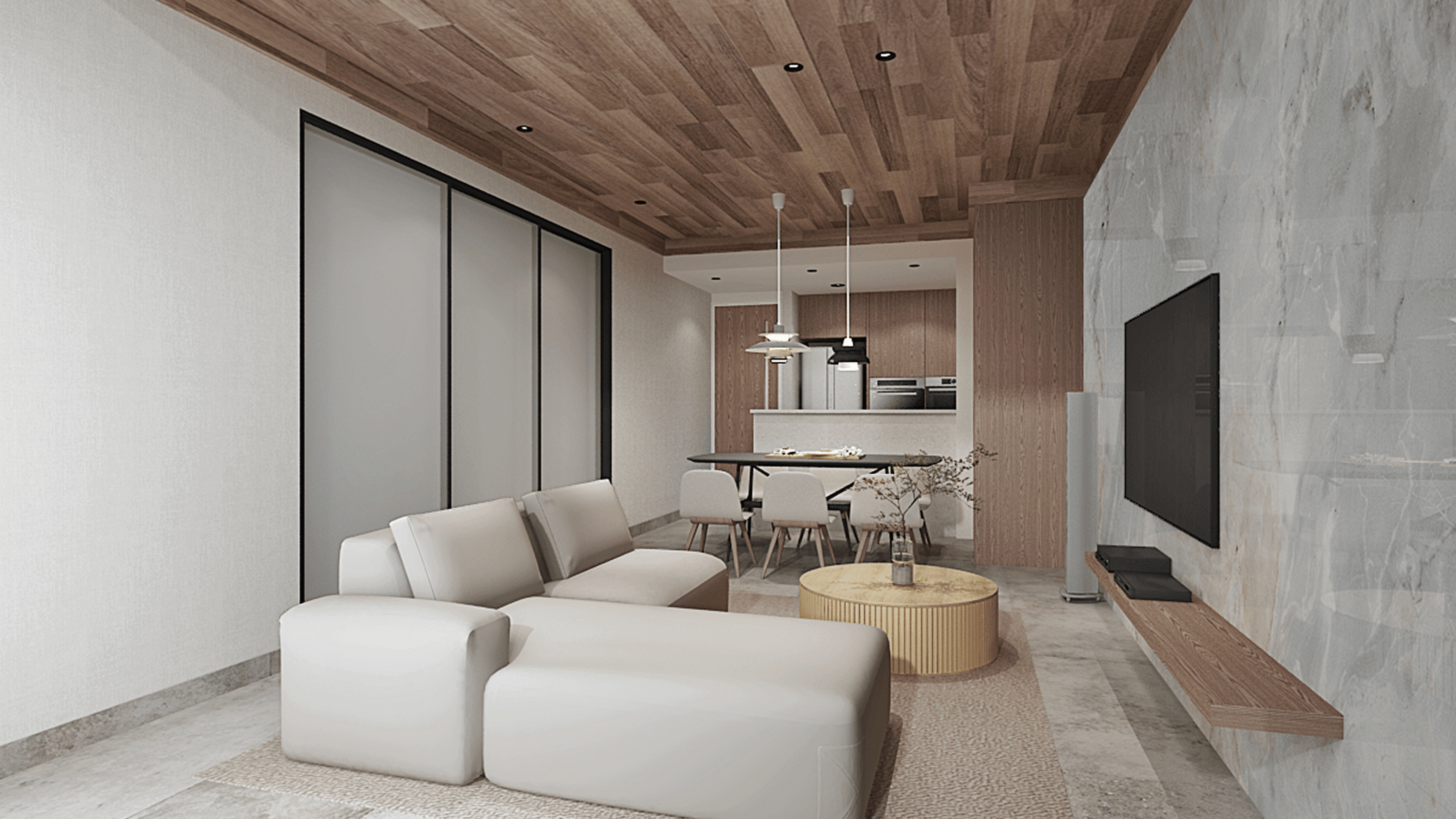
They are the ones that show light, regardless of how the room is actually built to hold it. I’ve seen a living room glowing with the softness of open sky, even though the ceiling above it is solid. A room with a dramatic beam falling across a wall, but there’s no visible fixture anywhere that could produce it. A render might show a warm and layered space, but the lighting plan behind it proves to be a handful of downlights spaced evenly across the ceiling.
Ultimately, none of this is a construction failure. Renders were never meant to be the starting points of lighting design; they’re only a way to communicate its output.
Renders are not lighting plans, only visualizations
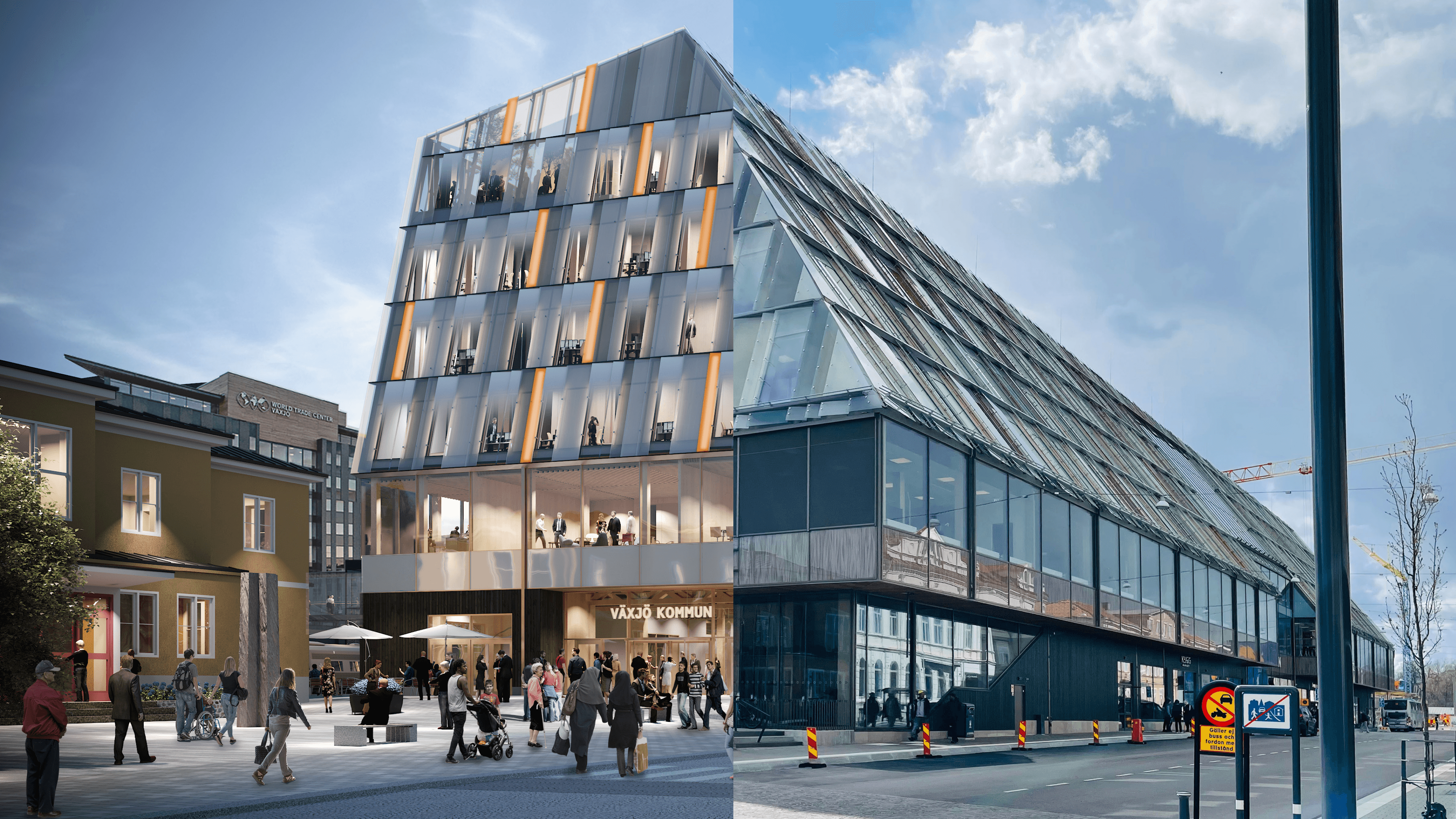
There is a difference between light that has been rendered and light that has been designed, and a convincing image can have the former without any of the latter. A render is built to make a scene look finished, not to lay out a lighting strategy. But this doesn’t mean all renders are bad, it’s a reminder that they’re not all created equally. Some produce the outcome of a lighting plan, whilst others only carry the “appearance of lighting,” which is a different thing entirely.
Why there’s a gap between renders and reality
There are usually three main ways a final build won’t end up like its render.
Firstly, render lighting is usually built for the image rather than for the space, so it borrows brightness and softness wherever the composition needs it, with no physical (or rather, simulated) constraint to a real fixture behind it.
Another reason why renderings can be unrealistic is due to planning. In many cases, the lighting plan (when one exists) is often developed after the client has already been sold on an idea, an image, or even a moodboard. These situations are tough. Either the client has to be informed that lighting plans have to be changed, or they’ll get a surprise after the construction is completed. The former is preferred, but not easy to do.
Finally, renders rarely take into account real product data: photometric output, beam angle, lumen count, glare control, and mounting conditions are frequently missing at the point the render gets built, so what looks like a lighting outcome is closer to an informed guess. Imagine buying a house solely based on its pictures and its described “features.” You have no idea how many bedrooms it has, when it was built or renovated, if the stove is gas or electric, and so on. Renders with no product data can’t deliver an accurate output of what you should expect.
I see this pattern often.
A render gets approved showing a room lit like open sky, soft and shadowless, even though the ceiling above it is completely solid. Attached to the same drawing set is a lighting plan calling for a handful of downlights, evenly spaced. If you’re a lighting designer (or have read our previous articles hyperlink here), you’ll know evenly spaced downlights do not produce shadowless, diffused light under any layout. Very few people catch the gap until the fixtures go in and the finished room reads flatter than the image everyone agreed upon. The render had made a promise that the real-life fixtures were never going to create.
The reason this keeps happening across projects is structural, not careless. A render is doing two jobs at once. It communicates design intent, and it functions, in the client's mind, as a promise, or at least an anchor of the final atmosphere. A beautiful image is intuitive to approve in a meeting. A lighting plan is technical and harder to evaluate, and communicate properly. So an image will win approvals, even though it carries none of the accountability a lighting plan carries.
Renders belong after the lighting plan, not instead of it
None of this means renders should disappear from the lighting workflow.
It means they belong later than most teams currently place them. A render that reflects the finished lighting has to be based on actual decisions, fixture locations, fixture types, beam angles, lumen output, colour temperature, mounting details, dimming strategy, and ceiling coordination, rather than the other way around. Its most useful moment is between the schematic and detail phases, once a preliminary lighting plan and fixture list have already been created. At that point, the render stops inventing (or “hallucinating”) the lighting and starts testing it, letting the designer and client check atmosphere, contrast, brightness hierarchy and focal points before detailed documentation locks everything in place.
Used before any lighting plan exists, a render is not a preview of the space. It is a promise nobody has checked yet.
Frequently asked questions
Should renders be avoided for lighting design altogether?
No. The problem is not the render itself; it is when it happens. Used after a preliminary lighting plan exists, a render becomes a useful way to test atmosphere before committing to full documentation, rather than a substitute for the lighting decisions that have not been made yet.
What makes a render's lighting believable?
Fixture position, beam angle, lumen output, colour temperature and mounting condition all need to inform the render, not get reverse engineered from it afterwards. Without that data, a render can look entirely convincing and still have no relationship to how the room will actually be lit.
At what stage should a lighting render actually happen?
Between schematic and detail design, once a preliminary fixture list exists to visualise. Earlier than that, the render risks making promises the lighting design has not solved yet, and those promises are what the finished space eventually gets measured against.
About the author
Jimmy Chu is a lighting designer with 15 years of experience leading Aeco Light. He is the founder of Chubic, a platform helping architects and interior designers make confident lighting decisions earlier in the design process.
